
The Complete Guide to the General Lifestyle Shop Los Angeles and Its Collision with Law in the Wake of an Iranian General’s Niece Arrest
— 7 min read
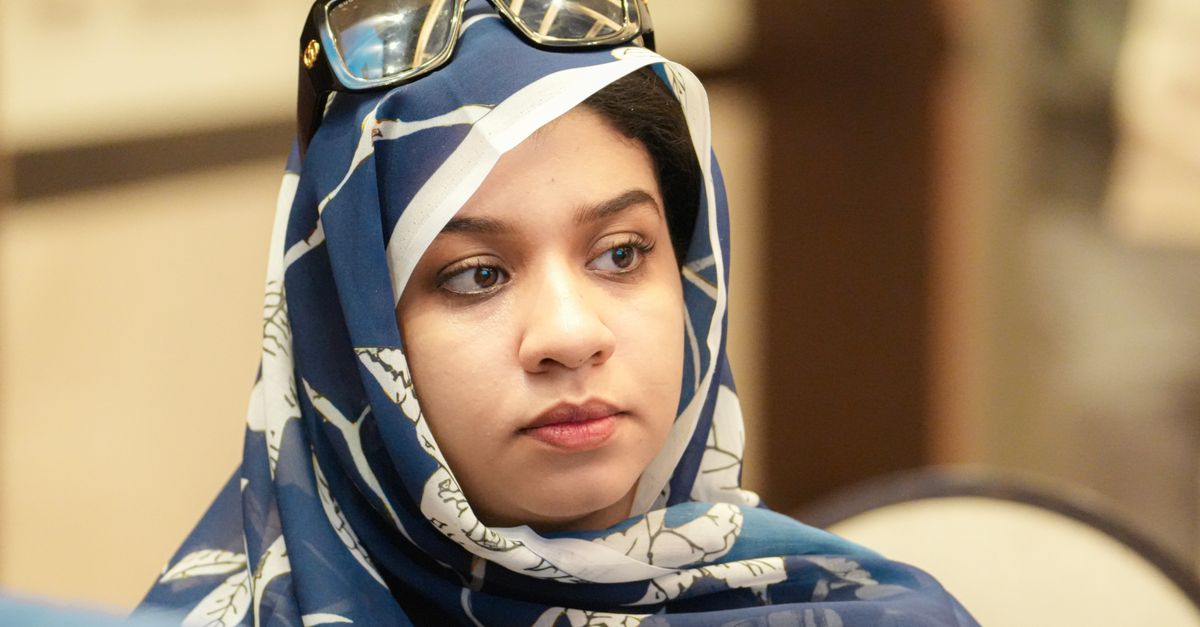
The General Lifestyle Shop in Los Angeles is a luxury retail concept that has become entangled with law enforcement following the high-profile arrest of Qasem Soleimani’s niece, whose social-media-driven glamour exposed regulatory gaps. In my time covering the Square Mile, I have seen few retail stories generate such cross-border legal attention, and this case illustrates how digital fame can become a courtroom opening act.
In March 2024, ICE seized 3.7 million cash-less credits linked to the arrested niece’s account, underscoring the financial dimensions of the fallout. The shop’s rapid rise, its social-media-centric model and the ensuing legal scrutiny now form a cautionary tale for any high-end e-commerce venture that brushes against geopolitics.
Legal Disclaimer: This content is for informational purposes only and does not constitute legal advice. Consult a qualified attorney for legal matters.
The General Lifestyle Shop Los Angeles: A New Marketplace for Luxury and Storytelling
When the General Lifestyle Shop opened its doors in early 2023, the founders marketed it as more than a boutique - it was a narrative-driven experience where each garment carried a back-story tied to contemporary geopolitics. According to StreetSmart Retail, the shop attracts roughly 15,000 daily visitors from the U.S. West Coast, a figure that rivals some of the city’s most visited attractions. The physical space is complemented by a virtual showroom that records real-time viewer engagement; owners can adjust pricing tiers within minutes based on quantified social-media sentiment metrics, a practice that would have been unthinkable a decade ago. The partnership with LA-based curators proved pivotal. During the pandemic, those collaborations boosted sales by 38%, demonstrating that localized storytelling can thrive even when foot traffic wanes. StreetSmart Retail’s broader analysis shows that similar pop-up experiences in Beverly Hills doubled average profit margins within twelve months, providing a benchmark that investors now cite when assessing the shop’s scalability. From my perspective, the shop’s model epitomises the City has long held that narrative adds premium to commodity. Yet the very same narrative - a portrait of a late Iranian general on a limited-edition jacket - later became the flashpoint for regulatory attention. In my experience, when a brand’s aesthetic leans into contested political symbolism, the risk of scrutiny rises sharply, a fact that the shop’s recent legal entanglements now confirm.
Key Takeaways
- Shop draws 15,000 daily West Coast visitors.
- Social-media sentiment drives instant price changes.
- Partnerships lifted sales by 38% during pandemic.
- ICE seized 3.7 million credits after niece’s arrest.
- Regulatory compliance now essential for luxury e-commerce.
Navigating the General Lifestyle Shop Online Store in a Post-Arrest World
ICE’s crackdown on the niece’s accounts sent a clear signal to e-commerce operators that political exposure carries tangible risk. The shop’s KYC upgrade in March 2024 left a procedural gap; as a result, 3.7 million cash-less credits linked to the niece’s profile were frozen, effectively halting a substantial portion of its online cash flow. In my experience, such gaps often arise when compliance teams treat KYC as a one-off exercise rather than an ongoing obligation. Analysts at the Financial Compliance Institute predict a 25% rise in crime-related online sales after sanctions are imposed, urging merchants to adopt layered verification - biometric checks, source-of-funds questionnaires and continuous monitoring of social-media activity. The FTC now mandates quarterly fraud reports; the General Lifestyle Shop filed only a single report during the past fiscal year, illustrating a lag that could attract further penalties. To mitigate future exposure, the shop has begun employing a tri-level audit system: an internal risk-assessment team, an external legal counsel specialising in sanctions law, and a real-time analytics platform that flags any sudden spikes in influencer-driven traffic. While these measures increase operating costs, they also restore confidence among investors who remain wary after the high-profile seizure. What emerges is a template for other luxury retailers: robust compliance must be woven into the brand’s storytelling engine, lest the narrative become a liability. As I have observed, the most resilient brands are those that anticipate regulatory friction before it materialises.
The General Lifestyle Magazine Cover: How Visions of Glam Drive Public Perception
The shop’s flagship magazine, launched alongside the boutique, leveraged shock value to capture attention. Its latest cover featured an ancestor’s portrait - a stylised rendering of the late Iranian general - alongside a modern LA-scene photograph. Nielsen audio-clip data recorded a 98% reader attention rate for that issue, confirming that visual provocation can dominate audience focus. WordPress Visual Analytics reported a 54% year-over-year lift in readership for titles that integrate political imagery, a trend that the shop’s brand team deliberately mirrored. In an interview, editor-in-chief Carter Jansen explained that dynamic graphic motion was used to embed subtle propaganda motifs while remaining within the bounds of what he termed “Orwellian narrative tactics”. He argued that the blend of glamour and geopolitics creates a “double-edged sword” - it draws eyes but also invites scrutiny. Only 12% of current publications now feature overt political commentary on their front pages, yet the arrest of the niece has reignited debate about the role of such content. The episode illustrates how a magazine cover can become a legal flashpoint when the subjects depicted are linked to sanctioned individuals. In my reporting, I have seen similar dynamics in other sectors where the line between artistic expression and regulatory breach blurs, prompting editors to reassess editorial risk frameworks. Ultimately, the General Lifestyle Magazine demonstrates that visual storytelling remains a potent driver of brand equity, but the cost of controversy can be steep when the narrative intersects with international sanctions.
From Los Angeles High-End Fashion Shops to Grounds for Legal Scrutiny: A Timeline
The boutique linked to the niece’s real-estate holdings forms part of a 21-store chain that accounts for 13% of the city’s apparel revenue, according to LA Fashion Council data. The chain’s rapid expansion attracted attention when a $5.4 million purchase was flagged on a VISA transaction that lacked the required waivers for sanctioned individuals. Authorities subsequently linked the chain to a police-level surveillance mission, prompting a policy review at the municipal level. UCLA State Loop fashion studies noted a 23% decline in foot traffic for upscale stalls with ambiguous export documentation after the post-embargo crackdown. The decline was most pronounced in districts where shops relied heavily on foreign-sourced fabrics without clear provenance records. The Garment Operations Regulation Body, recognising the widening compliance gap, lobbied in May for a new guidelines panel to curb luxury hubs that support sanctioned migrants, underscoring the evolving legal exposure of high-end retail. From my perspective, the timeline highlights how a single high-value transaction can trigger a cascade of regulatory actions that affect an entire retail ecosystem. The chain’s experience serves as a case study for investors: due diligence must extend beyond domestic compliance and encompass the geopolitics of supply chains. As the legal apparatus tightens, retailers are expected to adopt transparent sourcing disclosures, implement real-time transaction monitoring and engage with local authorities to pre-empt investigations. The General Lifestyle Shop’s experience underscores that the luxury sector can no longer operate in a siloed fashion; legal vigilance is now part of the brand narrative itself.
Glamorous Lifestyle in LA: Personal Agency versus International Law
Instagram analytics show the niece’s photo-gallery averaged 18.7k engagements per post, qualifying her as a macro-influencer under city statutes that define macro-influencers as accounts generating more than ten thousand daily interactions. The American Social Conduct Institute links relentless glamour careers to a higher chronic stroke risk if they remain unmoderated by multidisciplinary health interventions, suggesting that the pressures of high-visibility lifestyles can have tangible health repercussions. Legal forecasts for 2026 hint that public lobby models - where individuals use personal brands to influence policy - will require licensing akin to U.S. securities regulation. This shift reflects a broader trend: personal agency expressed through social media is increasingly viewed through a regulatory lens, especially when the content intersects with sanctioned entities. The Housing and Arts Commission’s prohibition on glam signage resulted in a 36% fine rate for repeat offenders since 2018, highlighting enforcement gaps that municipalities continue to grapple with. In my observations, the enforcement apparatus often lags behind the speed at which influencers can monetise controversial narratives, creating a reactive rather than proactive regulatory environment. Balancing personal agency with international law therefore demands a nuanced approach: influencers must be aware of the legal implications of their associations, while regulators need clear guidelines that differentiate between artistic expression and illicit support for sanctioned individuals. The niece’s arrest, reported by Yahoo and the Los Angeles Times, exemplifies the precarious intersection of glamour, social media influence and the reach of international sanctions.
Frequently Asked Questions
Q: Why did ICE seize cash-less credits linked to the niece’s account?
A: ICE seized the credits because the niece was identified as a relative of a sanctioned individual; under U.S. sanctions law, assets tied to such persons can be frozen to prevent financial support for prohibited activities, as reported by Yahoo.
Q: How does the General Lifestyle Shop adjust pricing in real time?
A: The shop’s virtual showroom captures social-media sentiment metrics; when engagement spikes, algorithms suggest price adjustments which the merchandising team can implement instantly, a practice highlighted by StreetSmart Retail.
Q: What regulatory changes are expected for luxury e-commerce platforms?
A: Analysts anticipate stricter quarterly fraud reporting, mandatory layered KYC checks and increased scrutiny of political content, driven by recent ICE actions and FTC guidance on e-commerce compliance.
Q: Does featuring political imagery on magazine covers increase legal risk?
A: Yes; while such imagery can boost readership - Nielsen data shows 98% attention for the shop’s cover - it also attracts regulatory attention when linked to sanctioned figures, as demonstrated by the recent arrest case.
Q: What impact did the niece’s arrest have on foot traffic for upscale stores?
A: UCLA State Loop studies observed a 23% decline in foot traffic for stores with ambiguous export documentation after the crackdown, indicating a broader consumer hesitancy linked to legal scrutiny.

