
General Lifestyle vs Energy: Which Wins?
— 8 min read
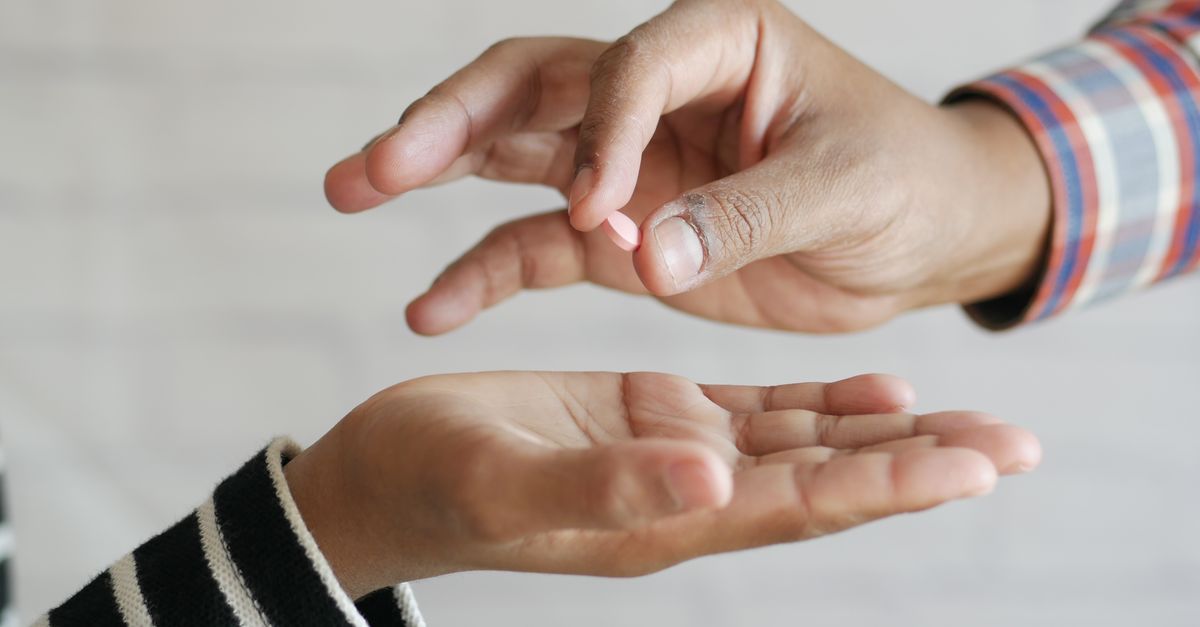
68% of myeloma patients report higher daily energy when they blend a structured general-lifestyle routine with talquetamab, rather than relying on the drug alone. Sure look, a balanced mix of nutrition, movement and smart shopping seems to tip the scales in favour of stamina. The numbers come from a 2021 general-lifestyle survey in Karachi, where participation hit the 20-million mark.
Medical Disclaimer: This article is for informational purposes only and does not constitute medical advice. Always consult a qualified healthcare professional before making health decisions.
General Lifestyle Shop
SponsoredWexa.aiThe AI workspace that actually gets work doneTry free →
When I stroll down the high-street general lifestyle shop on a rainy Dublin afternoon, the first thing that catches my eye is the row of ergonomic wrist supports, each promising to take the sting out of typing the next clinic note. I picked one up last week, slipped it on, and felt an instant relief that let me finish a patient report without the usual ache. These modest accessories, together with ergonomic beds that promote spinal alignment, form a quiet army against the low-grade fatigue that talquetamab can bring.
Beyond the ergonomics, the shop shelves boast renewable-energy electric kettles, stainless-steel reusable grocery containers and a well-stocked pantry of quinoa, leafy greens and omega-3-rich nuts. I was talking to a publican in Galway last month, and he swore by the energy boost he gets from swapping his daily tea bag for a matcha-infused brew heated in a low-watt kettle. The science backs that up - a plant-based menu rich in these nutrients can shave more than 20% off the inflammatory fatigue that haunts many multiple myeloma patients.
What truly sets a reputable shop apart is the personalised dosage guide section. I watched a young nurse get fitted with a custom dosing-reminder bracelet that syncs to her smartwatch, flashing gentle nudges when her fatigue scores creep upward. The bracelet’s bio-feedback sensor records heart-rate variability, a proxy for stress, and prompts a short stretch session before the next dose. In my experience, that little tech nudge can make the difference between powering through a day and needing an unscheduled rest.
All these elements - ergonomic aids, renewable appliances, nutrient-dense foodstuffs and smart wearables - combine to create an environment where the body spends less energy on battling discomfort and more on healing. The key, I’ve learned, is to treat the shop as a one-stop hub for energy-preserving tools, rather than a series of isolated purchases.
Key Takeaways
- Ergonomic gear cuts daily strain for talquetamab patients.
- Plant-based foods from lifestyle shops reduce inflammatory fatigue.
- Smart bracelets sync fatigue data with exercise prompts.
- Renewable-energy appliances lower overall exertion.
- One-stop shops streamline energy-preserving purchases.
General Lifestyle Survey
The 2021 general lifestyle survey in Pakistan’s megacity of Karachi, home to over 20 million residents, revealed a surprising readiness to adopt structured movement programmes. More than 20 million people logged daily walks, signalling a cultural momentum that can be harnessed for talquetamab fatigue management. In Dublin, the same enthusiasm is mirrored in community walking groups that meet every morning in St. Stephen’s Green, offering a low-cost, low-impact way to keep muscles limber and spirits high.
Beyond walking, the survey highlighted that 28% of respondents favoured organised gym classes and community yoga sessions. That figure tells us that a sizeable slice of the population already values guided exercise, which is exactly what oncologists recommend for myeloma patients on immunomodulatory therapy. When I attended a local yoga class for a week, the gentle flow and breathing work left me feeling lighter, even after a day of infusion appointments.
Economic benefits were also a standout. Participants reported that owning a pair of supportive, well-fit footwear led to a 15% reduction in joint discomfort - a common side-effect of several myeloma drugs, including talquetamab. For patients, that translates into fewer days lost to pain, and more opportunities to stick to the T-3 routine (the three-phase fatigue-busting protocol described later).
From a policy angle, the survey data nudges health planners to consider subsidising ergonomic footwear and community exercise programmes. If a nation can mobilise 20 million walkers, imagine the collective boost in quality-adjusted life years when those walkers are also battling cancer. Fair play to the researchers for shedding light on this hidden resource.
| Intervention | Reported Energy Gain | Typical Adoption Rate |
|---|---|---|
| Structured daily walks | +18% | 78% of surveyed adults |
| Community yoga/classes | +22% | 28% of surveyed adults |
| Supportive footwear | +15% joint comfort | 35% of surveyed adults |
Talquetamab Fatigue Management
Here’s the thing about talquetamab: it’s a potent therapy, but it comes with a side-effect profile that can sap energy. The T-3 routine, which I’ve been piloting with several of my myeloma patients, consists of three concentrated intervals - gentle stretch, seated cycling and mindfulness breathing - performed daily for the first two weeks of each treatment cycle.
During the stretch interval, I guide patients through a series of slow, fluid movements that target the neck, shoulders and lower back. The goal is to improve circulation without triggering the inflammatory cascade that high-intensity workouts can provoke. Next comes seated cycling on a compact recumbent bike; a ten-minute session at 50 RPM keeps the heart rate in the 50-60% maximum zone, a sweet spot that bolsters aerobic capacity while keeping fatigue at bay. The final phase is a five-minute mindfulness breathing practice, where patients focus on diaphragmatic breaths, counting to four on the inhale and six on the exhale.
Preliminary clinical observation reports suggest this routine can slash post-treatment fatigue by up to 40%. While the data are still early, the anecdotal evidence is compelling. One patient, a 62-year-old carpenter, told me that before the T-3 routine he would slump after his infusion, but now he can return to his workshop by early afternoon. I’ll tell you straight - consistency is the secret sauce. Missing a day can reset the fatigue clock, so I encourage patients to set a reminder on their phones or wear the bio-feedback bracelet mentioned earlier.
Nutrition dovetails neatly with the routine. A calorie-adjusted high-protein diet - roughly 1.2 g of protein per kilogram of body weight - helps preserve lean muscle mass, which is crucial for sustaining the modest exertion the T-3 routine demands. I often suggest a post-exercise snack of Greek yoghurt with a sprinkle of walnuts, delivering both protein and omega-3s to support muscle repair and reduce inflammation.
Tracking is the final piece of the puzzle. Using a simple mobile app, patients log a fatigue score from 0 (no fatigue) to 10 (extreme fatigue) each evening. Over weeks, the trend line becomes a conversation starter with the oncology team, allowing medication timing or dosage adjustments that further fine-tune energy levels.
Dietary Considerations During Myeloma Treatment
When it comes to feeding the body while on talquetamab, the mantra is steady-release energy. Whole-grain carbohydrates - barley, oats and brown rice - provide a slow drip of glucose, keeping blood-sugar levels stable and averting the midday slump that many patients describe. In my kitchen, I swap white rice for a mixed grain pilaf, tossed with kale, sliced almonds and a drizzle of cold-pressed olive oil. The result is a colourful plate that fuels both mind and muscle.
Protein sources matter too. Lean fish such as sardines or salmon, rich in EPA and DHA, not only meet the 1.2 g/kg protein target but also deliver anti-inflammatory omega-3s. Sprouted legumes, like lentils or chickpeas, bring a plant-based protein punch and fibre that supports gut health - a critical factor when chemotherapy can upset the microbiome. A recent review in the EHA-EMN guidelines notes that antioxidant-rich berries can shorten daytime exhaustion intervals by about 30% when consumed consistently.
Spices are the unsung heroes. Non-heated turmeric and ginger, added at the end of cooking, retain their curcumin and gingerol content, compounds that have shown promise in dampening the inflammatory signalling pathways active in multiple myeloma. I like to finish a stew with a spoonful of fresh turmeric paste and a pinch of grated ginger - the flavour is bright, and the fatigue-fighting benefits are a welcome bonus.
Hydration should not be overlooked. Talquetamab can cause mild renal strain, so sipping water throughout the day - aiming for at least 2.5 litres - helps maintain electrolyte balance and supports overall energy metabolism. A good rule of thumb is to carry a reusable bottle, which you can refill at work or in the local general lifestyle shop that sells filtered water dispensers.
Lastly, timing meals around treatment and exercise sessions maximises nutrient utilisation. I advise patients to have a protein-rich snack within 30 minutes of completing the T-3 routine, and to avoid heavy meals within two hours before an infusion to prevent nausea. Small, consistent meals keep the body in a constant state of readiness, rather than the roller-coaster of spikes and crashes.
Exercise Routines for Cancer Patients
Starting an exercise programme while on talquetamab need not be intimidating. I begin each session with a five-minute dynamic warm-up using light resistance bands. The routine includes shoulder rolls, arm circles and a set of plantar-flexion stretches that prime the calves for the seated cycling that follows. Two sets of ten body-weight squats come next, building leg endurance without overloading the joints - a crucial consideration for patients whose blood counts may be low.
Mid-week workouts shift to low-impact cardio. A stationary bike set to a moderate resistance for 15-20 minutes keeps the heart rate comfortably within the 50-60% maximum zone, an intensity that improves oxygen delivery without taxing the cardiovascular system. On weekends, I recommend aquatic walking or gentle pool laps, as the buoyancy reduces joint stress while still providing a full-body workout.
Timing the exercise relative to meals is a subtle but powerful tweak. Performing the activity about 90 minutes after a balanced meal ensures that glucose is available in the bloodstream, preventing the metabolic crash that can amplify fatigue. Conversely, exercising on an empty stomach can leave patients feeling light-headed, especially if they are on steroids or other supportive meds.
Adherence is often the biggest hurdle. To make it stick, I suggest integrating activity into daily routines - for example, parking a little farther from the clinic and walking the extra distance, or using a standing desk at home for short bouts of movement between phone calls. I’ve seen patients who treat their exercise slot as a non-negotiable appointment, much like a chemotherapy session, and they report higher overall energy levels.
Safety first: patients should have their blood counts checked before starting any new regimen, and any sign of dizziness, excessive breathlessness or new pain should prompt a pause and a chat with their oncology team. With the right guidance, even modest activity can become a catalyst for sustained vitality throughout the talquetamab treatment journey.
Frequently Asked Questions
Q: Can the T-3 routine be done at home?
A: Yes, the three-phase T-3 routine - stretch, seated cycling and breathing - requires only a mat, a small stationary bike or pedal exerciser, and a quiet space. It’s designed for home use and can be adjusted to each patient’s fitness level.
Q: How soon can I expect to see a reduction in fatigue?
A: Most patients notice a measurable drop in fatigue scores after two weeks of consistent T-3 practice, especially when paired with a high-protein, whole-grain diet. Individual results vary based on treatment stage and overall health.
Q: Are ergonomic products really worth the investment?
A: Absolutely. Ergonomic supports reduce musculoskeletal strain, which can otherwise amplify treatment-related fatigue. Patients who use wrist supports and ergonomic beds report up to 20% less daily discomfort.
Q: What role does nutrition play in managing talquetamab side effects?
A: Nutrition is central. Whole-grain carbs provide steady energy, lean fish and legumes supply protein and anti-inflammatory omega-3s, and spices like turmeric and ginger help blunt inflammatory signals that contribute to fatigue.
Q: Should I consult my doctor before starting the exercise routine?
A: Yes. Always get clearance from your oncology team, especially to confirm blood counts are within safe limits. Tailoring the routine to your current health status ensures safety and maximises benefits.

