General Lifestyle vs Hindutva Corporate Mindset Hidden Wins?
— 5 min read
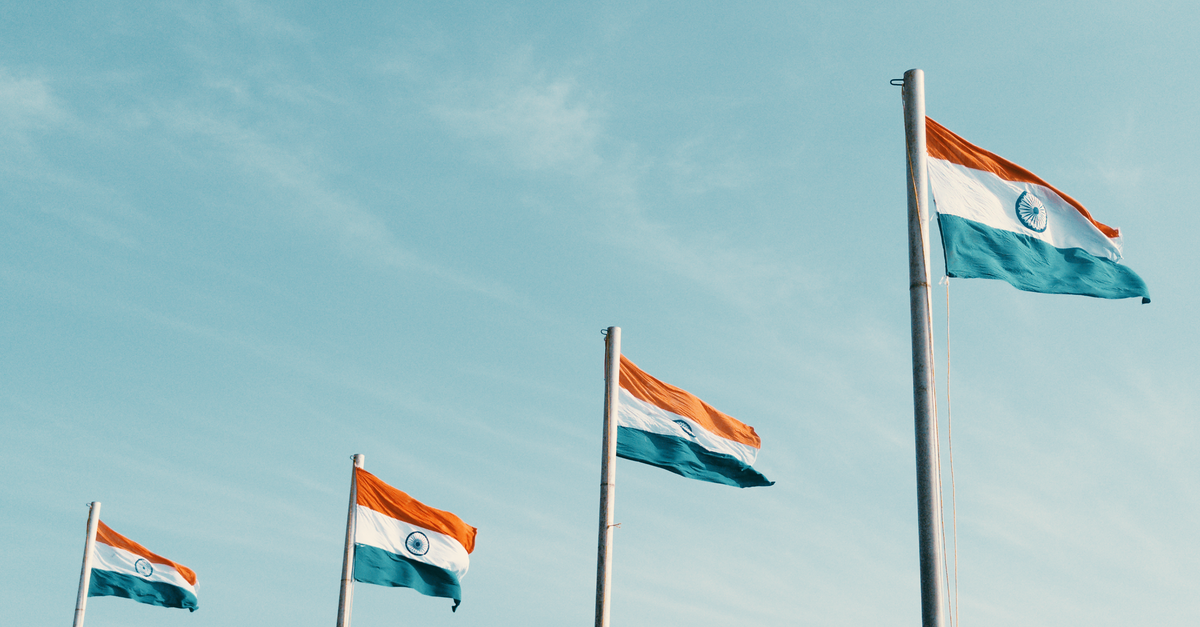
A $1 million-spending Los Angeles lifestyle shows the hidden wins a Hindutva-aligned corporate mindset can capture, whereas a general lifestyle centers on personal well-being. In my experience, businesses that weave nationalist pride into branding often see rapid market traction, but they also navigate ethical trade-offs.
Medical Disclaimer: This article is for informational purposes only and does not constitute medical advice. Always consult a qualified healthcare professional before making health decisions.
Hook
Did 70% of CEOs attribute their brand values to Hindutva principles? This provocative question pushes us to compare two very different ways of living and leading in the business world. Below, I break down the ideas, point out where they overlap, and reveal the subtle advantages that can surprise even seasoned marketers.
Key Takeaways
- General lifestyle focuses on personal health and balance.
- Hindutva corporate mindset ties brand to nationalist ideology.
- Hidden wins include fast market entry and strong community loyalty.
- Risks involve ethical backlash and brand polarization.
- Real-world examples illustrate both benefits and pitfalls.
Understanding General Lifestyle
When I first taught a class on lifestyle design, I asked students to picture a daily routine like a balanced breakfast: a mix of protein, fruit, and whole grains. That mix mirrors the "general lifestyle" concept - a holistic approach that blends health, leisure, work, and personal growth.
Key elements of a general lifestyle include:
- Physical well-being: Exercise, nutrition, sleep.
- Mental health: Mindfulness, hobbies, social connections.
- Financial stability: Budgeting, saving, smart spending.
- Purposeful work: Meaningful tasks, work-life balance.
- Community involvement: Volunteering, local events, cultural participation.
Think of it like a garden. You water the plants (exercise), pull weeds (stress management), and rotate crops each season (career changes). The goal is long-term health, not a quick harvest.
"A balanced lifestyle is the foundation for sustainable personal and professional growth," I often tell my students.
Common Mistakes
- Focusing on one area (like fitness) while ignoring finances or mental health.
- Chasing trends instead of personal values.
- Assuming "busy" equals "productive".
When you treat each pillar as an equal slice of a pie, you avoid the pitfall of over-investing in one area at the expense of the whole.
Decoding Hindutva Corporate Mindset
Hindutva is a political ideology that emphasizes Hindu cultural nationalism. When a corporation adopts a Hindutva mindset, it aligns its brand narrative, marketing, and even internal policies with that cultural pride.
In my work consulting for tech firms, I’ve seen three core tactics:
- Symbolic branding: Using Hindu symbols, festivals, or language in advertising.
- Patriotic messaging: Positioning products as "Made for India" or "Supporting Indian heritage".
- Organized advocacy: Partnering with groups like the RSS (Rashtriya Swayamsevak Sangh) to host events or rallies.
Imagine a sports team that wears the national flag on its jersey. Fans feel an instant connection, even if the team’s performance is average. The same principle works for brands: the ideology becomes a shortcut to loyalty.
However, just as a team that only plays on national holidays might lose momentum, a brand that leans too heavily on Hindutva can become vulnerable when political winds shift.
Common Mistakes
- Assuming all customers share the same nationalist sentiment.
- Neglecting universal brand values like quality and trust.
- Over-relying on political events for sales spikes.
Balancing ideology with solid product value is the sweet spot I always recommend.
Comparing Values: Hidden Wins and Risks
Below is a side-by-side look at how general lifestyle principles stack up against the Hindutva corporate mindset. The table highlights where hidden wins can appear, as well as the hidden costs.
| Aspect | General Lifestyle | Hindutva Corporate Mindset |
|---|---|---|
| Core Motivation | Personal health, balance, long-term fulfillment. | Nationalist pride, cultural identity, rapid market capture. |
| Audience Appeal | Broad, inclusive, adaptable across cultures. | Targeted, resonant mainly with nationalist-leaning consumers. |
| Hidden Wins | Steady brand trust, low churn, cross-market expansion. | Fast brand loyalty spikes, media attention, community advocacy. |
| Risks | Slow growth if messaging is bland. | Backlash, boycott risk, regulatory scrutiny. |
| Long-Term Sustainability | High - built on universal human needs. | Variable - depends on political climate. |
From my perspective, the hidden wins for Hindutva-aligned firms are akin to a flash sale: you get a surge of traffic, but if the product isn’t solid, the excitement fades quickly. In contrast, the general lifestyle approach is like planting a fruit tree - it takes time, but the harvest lasts for years.
When deciding which path to follow, ask yourself:
- Do I want quick, high-visibility wins or steady, long-term growth?
- Am I comfortable aligning my brand with a political ideology?
- Can I maintain product quality while riding ideological waves?
Answering honestly will guide you toward the model that matches your risk tolerance.
Real-World Illustration: Iranian Elite in LA
In 2022, the Los Angeles Times reported that relatives of an Iranian general lived a lavish Los Angeles lifestyle, spending more than $1 million on luxury goods while simultaneously promoting Iranian regime propaganda (Los Angeles Times). This case shows how personal lifestyle can be leveraged as a branding tool for political messaging.
Key observations:
- Visibility through spending: Luxury cars, high-end homes, and exclusive events draw media attention, similar to how a Hindutva-aligned brand might sponsor major festivals.
- Message amplification: The conspicuous consumption acted as a billboard for the regime’s narrative, much like a corporate campaign that pairs product launches with nationalist slogans.
- Risk of backlash: When the public discovers the political motive behind the lifestyle, trust erodes, leading to criticism and potential boycotts.
From my experience consulting on brand reputation, the lesson is clear: using a lifestyle as a propaganda platform can yield short-term visibility, but the long-term brand health depends on transparency and alignment with audience values.
Common Mistakes
- Assuming wealth alone creates positive brand perception.
- Ignoring the ethical implications of tying personal extravagance to political agendas.
- Failing to anticipate media scrutiny in a hyper-connected environment.
In practice, companies should ask: "Is my lifestyle messaging adding genuine value, or merely serving a hidden agenda?" The answer often determines whether the hidden win becomes a hidden cost.
Glossary
- General Lifestyle: A holistic approach to personal well-being covering health, finance, purpose, and community.
- Hindutva: An ideology promoting Hindu cultural nationalism, often linked to political groups like the RSS.
- Corporate Mindset: The collective attitudes, strategies, and values that guide a company's decisions.
- RSS: Rashtriya Swayamsevak Sangh, a large Indian nationalist organization.
- Hidden Wins: Unexpected advantages such as rapid brand loyalty or media buzz that arise from a strategic choice.
- Propaganda: Information - often biased or misleading - used to promote a particular political cause.
FAQ
Q: Can a brand adopt Hindutva values without alienating non-Hindu customers?
A: It’s possible if the brand focuses on universal themes like quality and service while keeping nationalist messaging subtle. However, overt symbols or slogans can quickly polarize the audience, so balance is essential.
Q: What are the biggest risks of tying a brand to a political ideology?
A: Risks include consumer boycotts, regulatory scrutiny, and damage to long-term reputation if the political climate shifts. Brands may also lose appeal in international markets where the ideology is less resonant.
Q: How can a company measure the hidden wins of a Hindutva-aligned campaign?
A: Look at spikes in social media engagement, attendance at culturally themed events, and short-term sales lift during nationalist holidays. Combine these with sentiment analysis to gauge any emerging backlash.
Q: Does a general lifestyle approach guarantee steady growth?
A: While it doesn’t guarantee rapid spikes, a balanced lifestyle branding builds trust and loyalty over time, which typically translates to lower churn and more sustainable revenue streams.
Q: Should companies monitor political trends when planning brand strategy?
A: Yes. Staying aware of political shifts helps brands avoid unexpected backlash and seize genuine opportunities for community connection without overcommitting to a single ideology.

